Frames are every 1/2 hour for reflectivity and velocity, and every hour for the regional composite. Click on the thumbnail to view the full-sized animation.
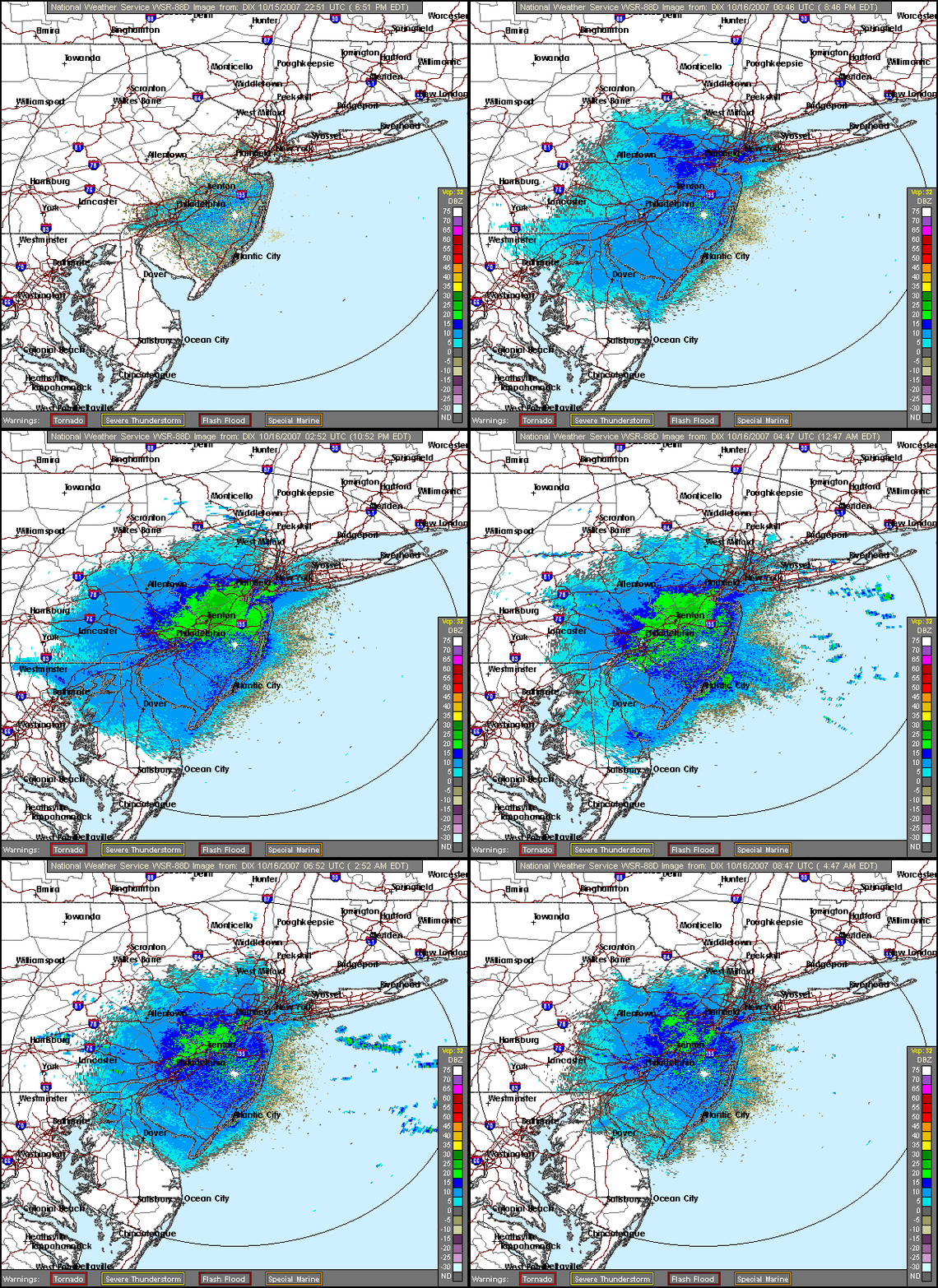
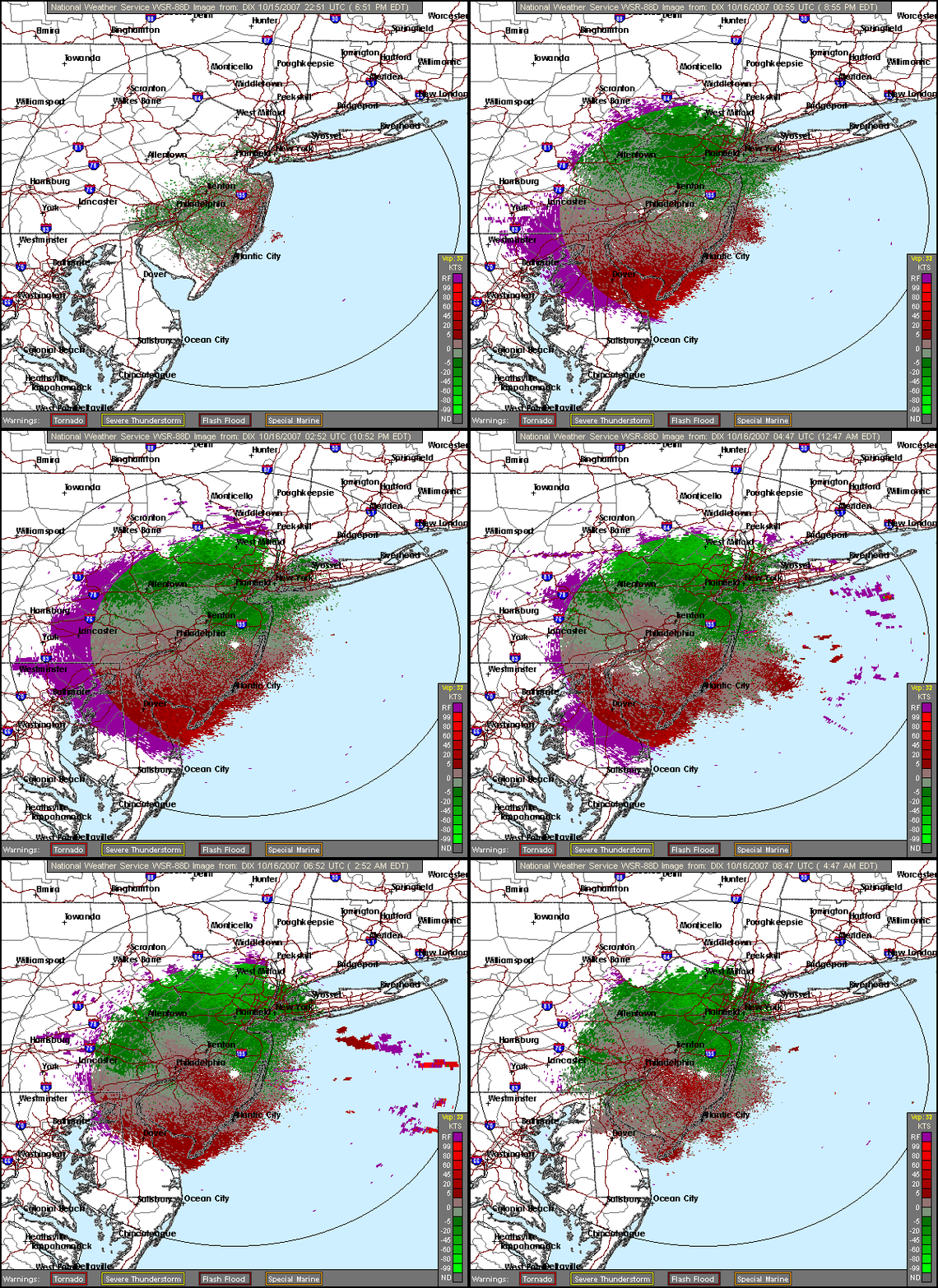
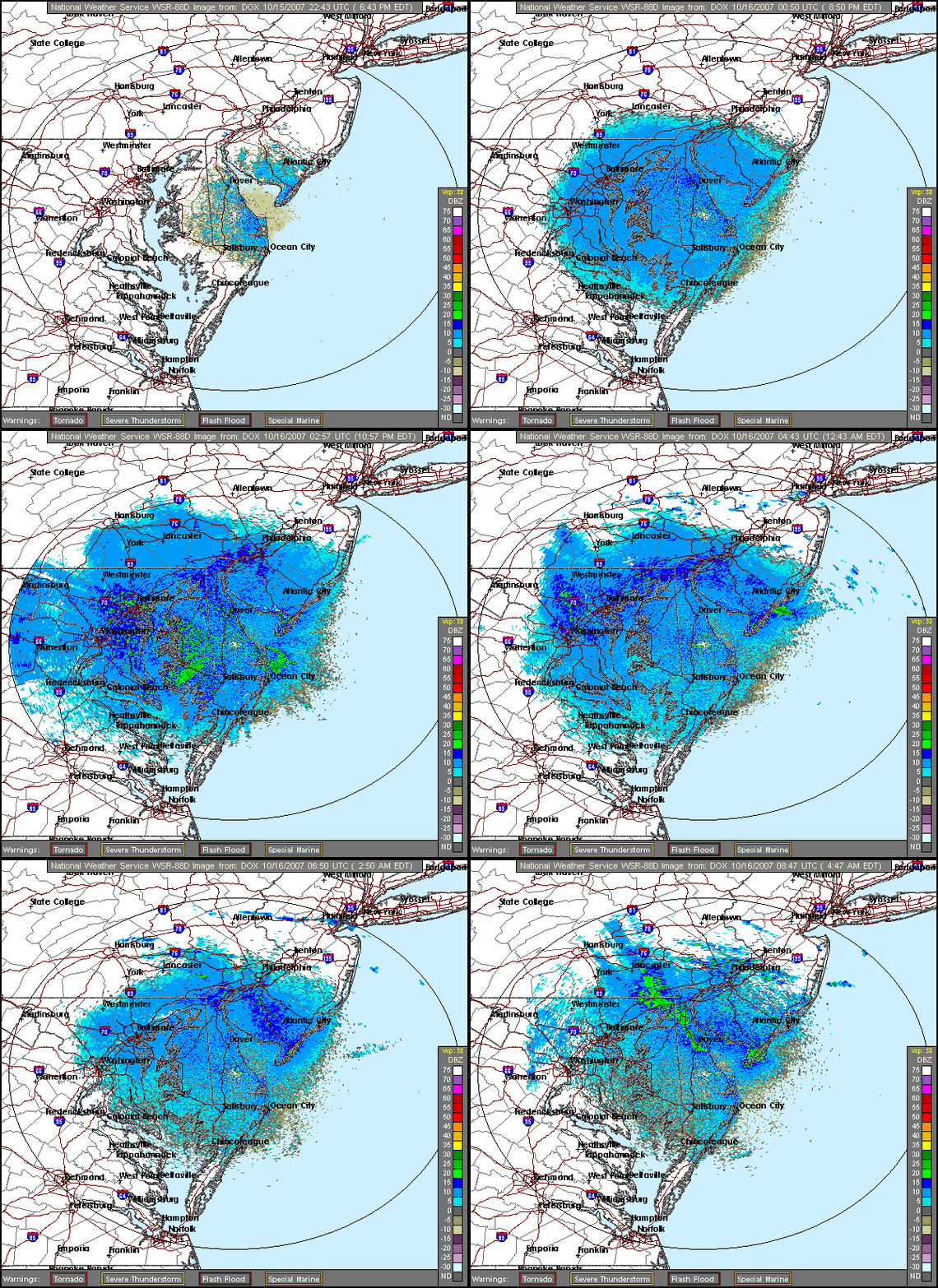
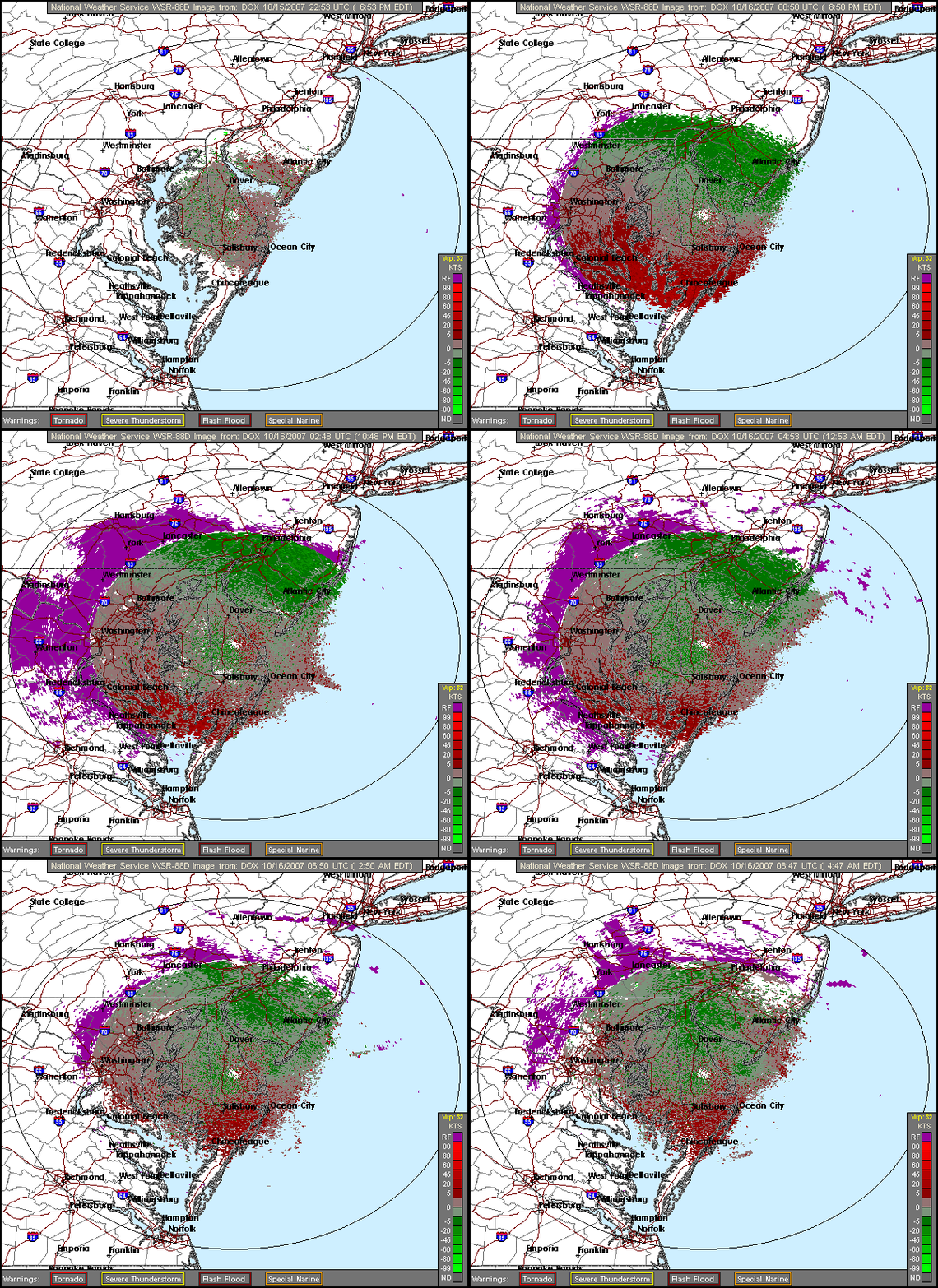
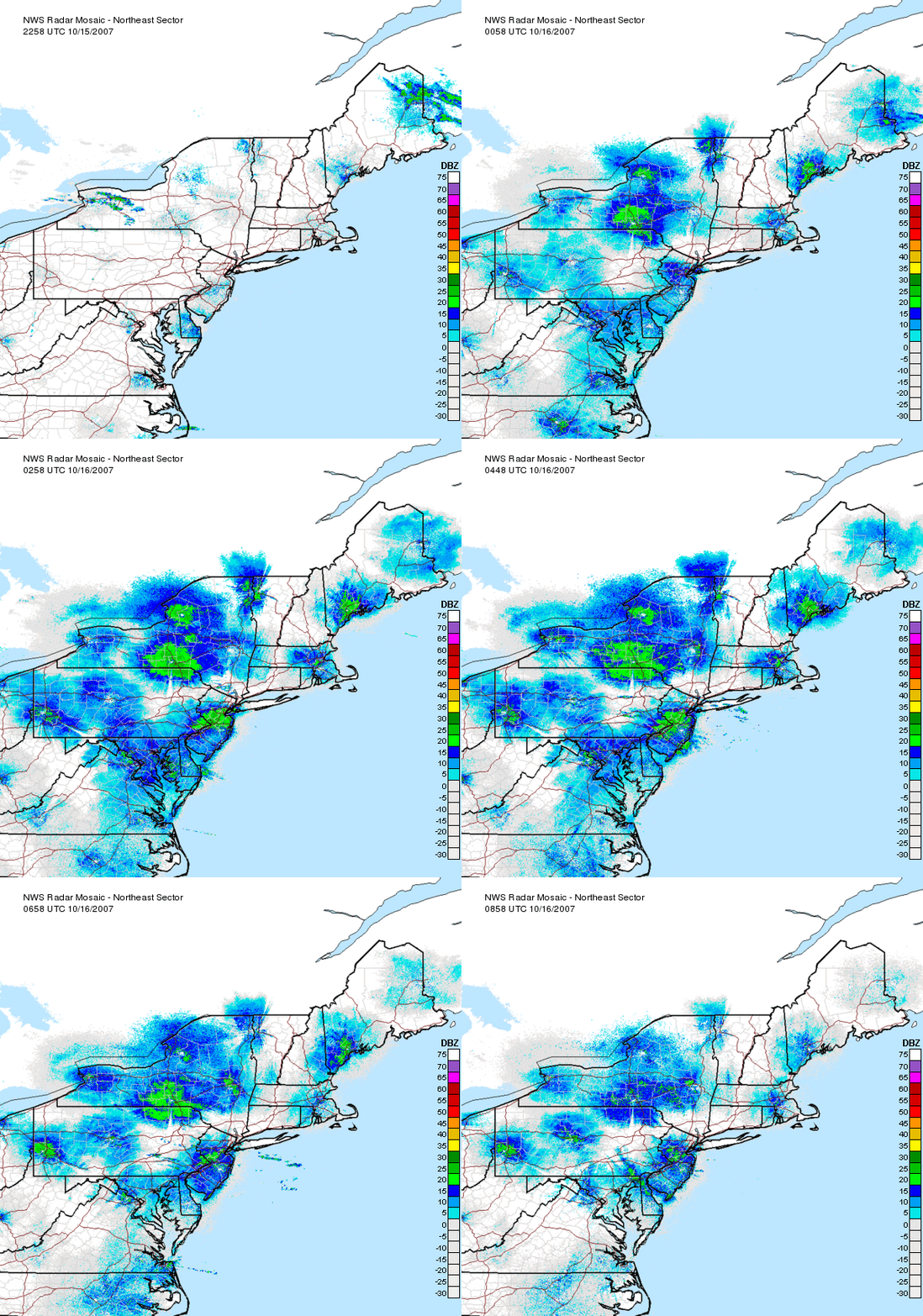
On the regional composite you can actually see a large mass of birds (mix of green and dark blue signal) making its way into the region from the NNW. This is also evident on the Fort Dix reflectivity image, and is confirmed by the speed and direction on the velocity image. Birds were both entering and leaving the state last night, with a good push of birds downstate from the north as well. Observations across the state over the last few days indicate that the majority of current migrants are less affected by the westerly component to the wind, and seem to be correcting for the cross winds during nocturnal flight. For this reason I’m suggesting that inland sites, as well as coastal ones, should be birdy this morning. It will be interesting to compare composition at both locations to see which species or individuals (such as first-year birds) appear to be more affected than others. I look forward to your comments!
Good Birding
David
P.S. Come check out my migration forecast for the Mid-Atlantic on Birdcapemay.org
Help support woodcreeper.com by purchasing custom New Jersey birding bumper stickers here, and other cool gear at our CafePress online store
4 responses to “Heavy migration over Jerze”
Duke’s grassland habitats were excellent this morning
CLAY COLORED SPARROW- a very good bird for this locale
Savannahs- hundreds. I lost count around 370, and probably saw over 100 more
White Crowneds- 15
Swamps- 4
Fields- 10
White Throated, Chippings, and Songs- numerous
Juncoes- 2
Towhees- several
Kestrel- 6
Merlin- 1
Harrier- 1
Meadowlark- 3
Bobolink- 3
Rusty Blackbird- 2
Horned Lark- one flock approx. 75
Palms- many, over 200
Rumps- several dozen
Ruby and Golden Crowned Kinglets in smaller numbers, though I wasn’t in much appropriate habitat
one eastern pheobe.
I’ll be interested to see other reports from central NJ. I suspect the new arrivals here were in fact ‘real’ migrants, as opposed to birds sort of shifting over here from smaller local grasslands (something that seems to happen quite a lot on Duke). Many of the Savannahs were adults. All of the white crowneds I saw were adults as well, whereas late last week most were juveniles. Horned Larks and Rusty BBs were new arrivals here.
-Brian Clough
Nice, Brian.
I’ve been searching around here for a CCSP! I’m going to head out for a few hours this evening and hope to turn something up. If the south winds build in today, it could buy us a few days to find all the birds around.
Cheers
David
Celery Farm today–much the same as yesterday–with the Orange-crowned Warbler and Marsh Wren continuing. Also several White-crowned (all Ims’s, had 2 adults yesterday evening), 6+ Palms (all eastern), 10+ Yellow-rumps, 12+ Purple Finch incl an adult male, Winter Wren, RC Kinglet, 2 flyover Juncos, continuing Coot, GW Teal, Black duck; Sharpie, heard House Wren
Could not go to Sandy Hook today. Heard in our backyard Winter Wren and Golden Crowned Kinglet.
We put one of our bird feeders up a few days ago, earlier than usual. Had a Red Breasted Nuthatch come to the mixed bird seed feeder. Very nice!